Sigma SD Quattro H
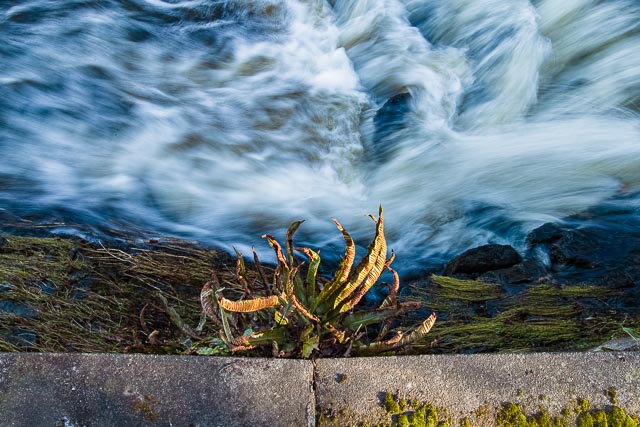
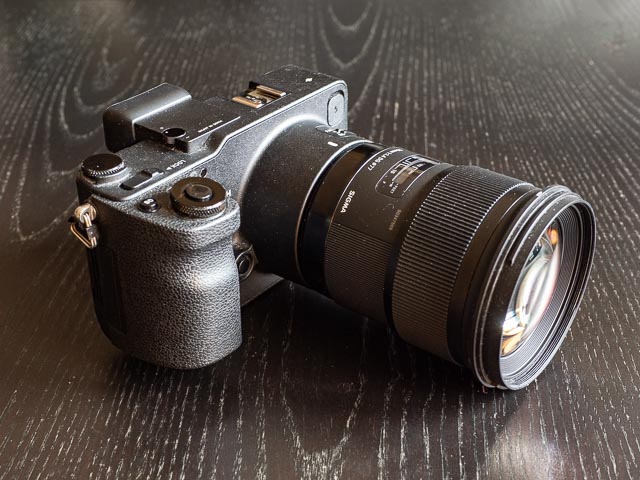
Shot on the Sigma SD Quattro H with Sigma 24mm F/1.4 DG HSM Art 015: f/16 - 1/8 - ISO 100. If you just want to see more images, jump straight to the Sigma SD Quattro H results gallery.
Contents & specification summary
| Announced | February 2016 |
|---|---|
| Camera type | Mirrorless interchangeable lens camera |
| Camera size | 712g grams 147 x 95 x 91 mm (inc. battery) |
| Sensor type | Foveon X3 |
| Sensor size | APS-H (26.7 × 17.9 mm) |
| Resolution | Top layer 6192×4128, middle layer 3096×2064, bottom layer 3096×2064 (25.5 megapixels, or 38.3 including all 3 layers) |
| Memory card | SD Card, SDHC Card, SDXC Card |
| Battery | BP-61 |
| Lens mount | Sigma SA |
| Full specifications | |
Introduction
Sigma is one of the best known independant lens companies, famous for making a wide array of lenses for all the main lens mounts: Canon, Nikon, Pentax, Sony etc, etc. But Sigma have also been making cameras for 50 years starting with the Sigma Mark-I in 1976. The introduced their own autofocus lens mount, the Sigma SA mount, in 1993 with the SA-300 35mm SLR, and in 2002 they announced their first DSLR, also using the Sigma SA mount, the SD9.
What makes all Sigma cameras launched before 2019 particularly interesting is the unique sensor technology they use. Sigma chose a sensor made by a little known company called Foveon. So what is a Foveon sensor?, I hear you cry? Visit the previous link for more, but here's the short version: In a conventional Bayer sensor, each pixel is sensitive to a single primary light colour because of a mosaic filter fitted in front of the sensor (with the missing colour values for each pixel supplied by interpolation):
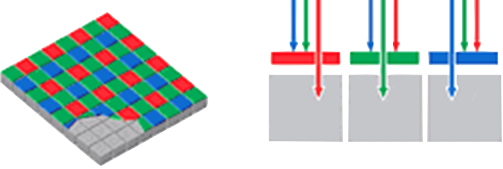
But a Foveon sensor layers 3 sensors in a block of silicon and then relies on the fact that different colours of light penetrate silicon to different depths to record values for all 3 primary light colours at each and every pixel:
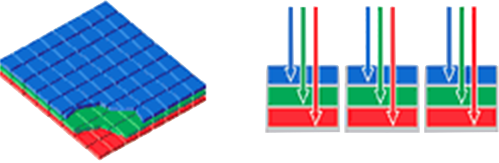
This means that a Foveon sensor records to colour in a way that is, in theory at least, far more like the way colour film responds to light. In turn this allows a Foveon sensor to resolve, pixel for pixel, far more detail than a conventional sensor.
But for their last "Quattro" generation of Foveon cameras, Sigma redesigned the basic structure of the sensor: they substantially increased the pixel resolution of the top sensor lay, and reduced the pixel resolution of the middle and bottom layer, so those layers have 1 pixel for every 4 pixels in the top layer (hence putting 'Quattro' into the name of the sensor). So the top layer of the sensor in the SD Quattro H has 6192×4128 pixels (25.56 megapixels), while the middle and bottom layers have 3096×2064 pixels (6.39 megapixels) for a total pixel count of 38.34 megapixels. For reasons that Sigma never really explain, they often described this sensor as having the equivalent of 51 megapixels (i.e. twice the pixel resolution of the top layer).
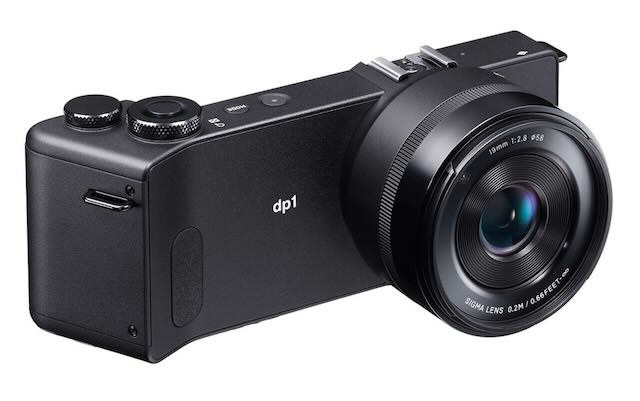 They also took a completely new approach to the physical design of the cameras themselves, which hither to has been pretty conservative designs. They gave their "Quattro" generation of fixed-lens "DP" compact cameras a truly bizare shape (as you can see here), and also gave the world the first (and only) mirrorless Foveon cameras, the SD Quattro and SD Quattro H (which I'll refer to as the SDQ and SDQH from here on). The SDQ/SDQH weren't quite as wantonly peculiar as the fixed lens DP Quattro cameras, but they are still pretty unique. The 2 cameras are 100% identical apart from the size of the sensor: the SDQ had a 23.4 x 15.5 APS-C sized sensor, while the SDQH has a slightly larger 26.7 x 17.9 APS-H sized sensor. Both sensors had exactly the same pixel density (the APS-C sensor is essentially just a trimmed down version of the APS-H one).
You could call the SDQH the ultimate Sigma Foveon camera: you get the highest resolution files from a modern mirrorless design will all the advantages that a mirrorless camera offers. But while the SDQ/SDQH are indeed modern mirrorless cameras, Sigma did something that only one other manufacture has ever done: they used the legacy SLR lens mount (The Sigma SA mount) from their film and digital SLRs. (In case you're wondering, that other manufacture was Pentax who launched the Pentax K-O1 camera with the Pentax K mount in 2012.)
Personally I prefer the results from the previous "Merrill" generation sensor in my Sigma DP2 Merrill, but will go into that in a bit more detail in the results section.
Buying a Sigma SD Quattro H in 2026
If you've read any of my other Sigma camera articles, you see something of a running theme to buying any of these cameras. Sigma cameras are rare, and the almost mythical status given to Foveon sensors leads to high demand. And low supply and high demand does not make for bargain prices! A search for the Sigma SD Quattro H on eBay carried out 26 May 2026 revealed none for sale in the UK. A search for international listings revealed a few listings, mostly in Japan, with prices in the £1100-1200 range. But don't forget you'll have to pay 20% VAT when personally importaning from Japan. Switching to sold listings on eBay again revealed no recent sales in the UK. International sold listings on eBay supports the finding that around £1100-1200 range is a fairly typical price to pay.
But eBay isn't your only option: I bought my example from MPB back in December 2025 in very nice condition and complete with battery, charger and a 12 month warranty for just under £900, which the above eBay search suggests was, if not exactly a bargain, then at least a good price. MPB allows you so request email notification of new stock, as does another option in the UK: CeX, so my suggestion would be to do that and just patiently wait for as long as it takes (which might be quite a long time!).
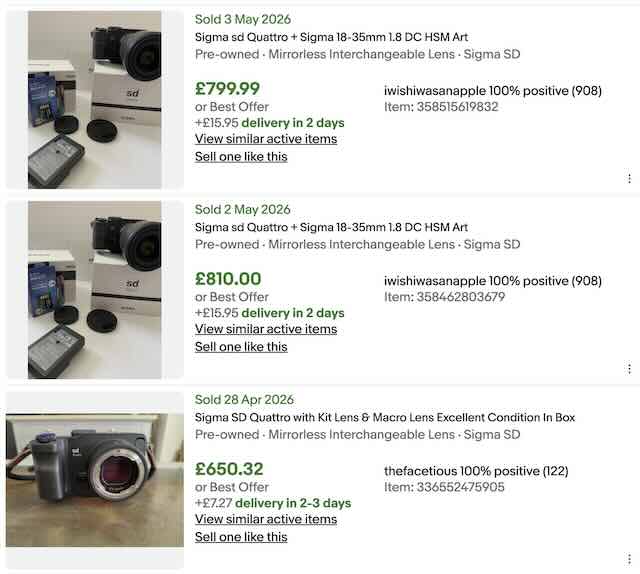 But don't forget about the Sigma SD Quattro, the APS-C version of the camera. The SDQ still quite rare, but nowhere near as rare as the SDQH. The 2 cameras are identical except for a slightly smaller sensor in the SDQ. Plus you can use any lens you like on the ASP-C camera without having to worry about getting full-frame lenses to cover the APS-H sensor (though in my experience APS-C lenses often perform pretty well as the APS-H sensor is really only slightly larger). Here can see a search for recent sold Sigma SDQ listings on eBay (again, carried out 26 may 2026), and as you can see, this we got some results, 2 with the very desirably Sigma 18-35mm f1.8 Art lens which sold for around £800, and one body only for around £650. Still expensive, but a lot more palatable than the typical prices for the SDQH. If I was in the market again for one of these cameras I think I might skip the SDQH and just settle for the SDQ.
And while we're talking about lenses it's not just Sigma Cameras that are rare. Sigma lenses with the Sigma SA mount are also rare and can be quite expensive too, so bare that in mind if you by a camera body only.
Sigma SD Quattro H body tour
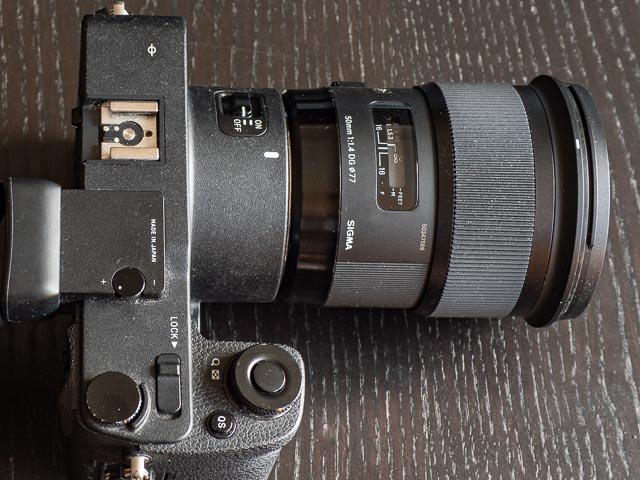 Because the SDQ and SDQH are identical apart from the sensor, everything in this section will apply equally to both cameras. Here you can see the SDQH with the Sigma 50mm F/1.4 DG HSM - Art 014 lens attached. As you can see, the top plate is very sparse. On the lens mount (which is very deep as the Sigma SA mount is really an SLR lens mount) you can see the unusually placed on/off switch, and on the top plate you can see the hot shoe (with contacts for the Sigma SA flash system) and the electronic eye level viewfinder with the dioptre adjustment dial on top. Then to the right of the top plate (as you're using the camera) there are a set of operational controls. To the front of the grip there is the shutter button surrounded by the main command dial. Next is the 'QS' (or Quick Set button). To the rear of this area is the sub-command dial.
Finally you will find the Lock switch. I left this to last because this is one of the more unusual controls on the SDQH: it locks the camera controls but still allows you to operate the shutter button to take photographs. According to the manual this allows the photographer to "concentrate on shooting without being bothered by erroneous button operations". It has to be said that if the camera controls are liable to be operated by mistake while using the camera, then perhaps the camera controls haven't been well designed! But I have to say that so far I have never even come close to needing to use this switch. (There is an option in the menus to set precisely which controls are operated by locked by this switch.)
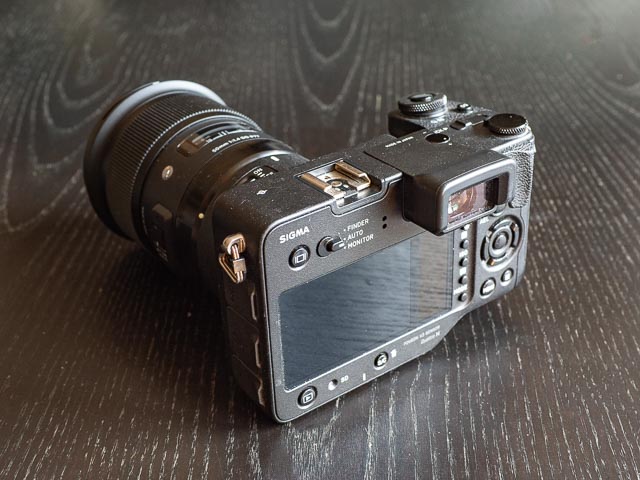
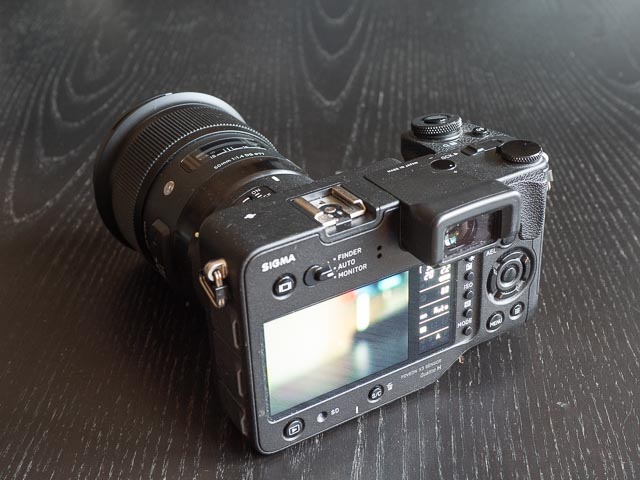 Moving to the back of the camera you find a much greater range of controls packed in. Like most digital cameras the back is dominated by the monitor, which on this camera looks much wider than usual. As soon as you turn on the camera it becomes apparent that this is because there is a separate status display (called the sub-monitor by Sigma) to the right of the main monitor. And to the right of this status display is a selection of buttons used in combination with the main command dial. From top to bottom you'll find buttons for: switching the status display on and off, exposure compensation, ISO, metering mode and exposure mode.
To the right of those buttons you'll find a four way controller with a centre button which is used, among other things, to navigate the menu system. Below that is a button to activate the menu and set the focus point (using that 4 way controller). Above the monitor you'll find a button to cycle through various display modes and a switch to choose between the EVF and rear monitor, or have the camera automatically choose. Finally, below the monitor are a playback button, a lamp to indicate card activity and a button to chose between single and continuous autofocus modes (or delete images in playback mode).
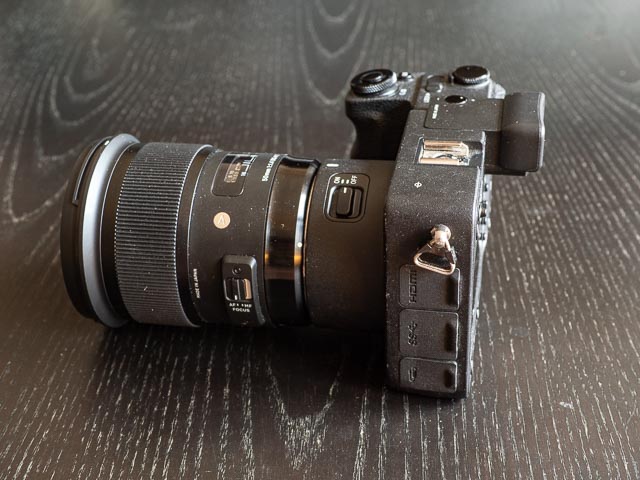
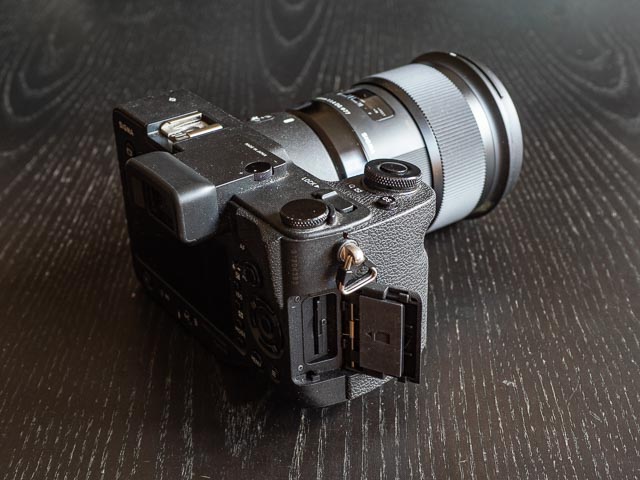
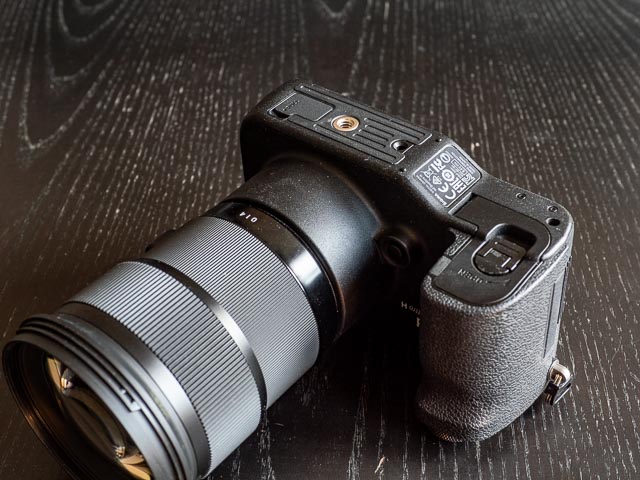 On the left hand side of the camera you'll find a selection of ports behind rubber covers for HDMI, USB and a cable release, while on the right hand side of the camera you'll find the door for the memory card compartment with a single SD card slot. On the bottom there is a rubber cover for the battery grip contacts, a tripod bush nicely aligned with the lens and a battery compartment for a Sigma BP-61 battery.
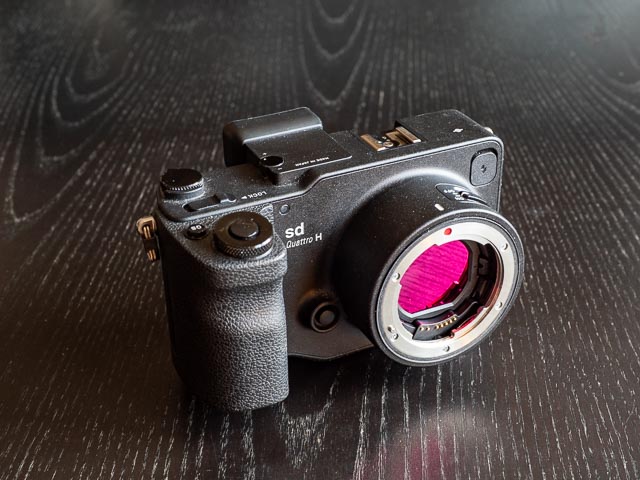 To the top right of the front of the camera you'll find a rubber cover for the flash sync socket, while to the top left there is the AF assist light. And the the bottom left of the lens mounts you'll find the lens release button. If you've never used a Sigma interchangeable lens camera before you're in for a bit of a surprise when you remove the lens: all sigma SA mount cameras have what Sigma call a dust protector just behind the lens. In reality this is an UV/IR cut filter to protect the sensor from IR light that in most cameras is permanently fixed to the sensor itself. But on all Sigma Foveon cameras this filter can easily be popped out and back in again. This means you can in effect convert you camera for infrared or UV photography and then go back to normal photography when ever you like. I haven't tried this myself yet, but I'll update this article when I do.
Using a Sigma SD Quattro H in 2026
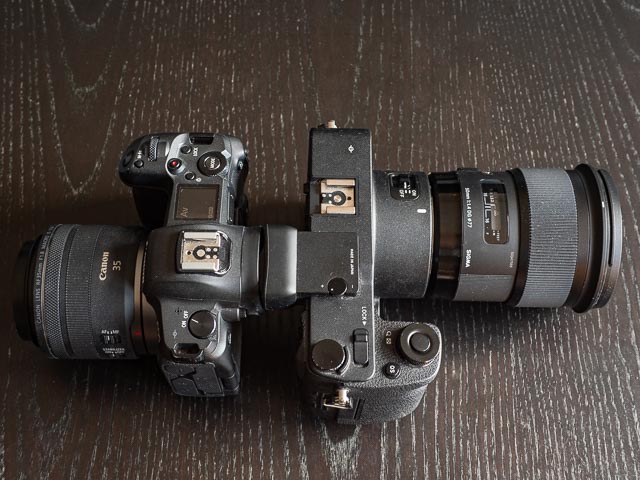 The first thing you notice as son as you pick up the SDQH is the superb build quality. And the second thing you notice is just how big and hefty it is. The fact that modern Sigma 'Art' lenses also tend to be pretty gigantic just emphasises the effect! Here you can see the SDQH next to my Canon EOS R (the original model). Try to ignore the fact that the 50mm f/1.4 Sigma Art lens in this photo is a ridiculously enormous lens! Even if you just look at the cameras here you can see that the Sigma is quite a bit bigger than the Canon, despite the fact that it has a smaller (APS-H vs. full-frame) sensor.
But while the Sigma is actually a very comfortable thing to hold, once you start to use it there are some ergonomic challenges to deal with. I personally find the position of the main and sub command dials to be somewhat less than ideal, and I often found myself wishing for a mode dial rather than having to use the rather obscurely positioned mode button along with the main command dial to change exposure mode (the fact that there are 3 custom exposure modes means that you oven have to scroll though more modes than I'd like to find the exposure mode I'm looking for).
But there were also things that I really likes about the SDQH handling: for example, the 'Quick set' button next to the shutter release is well implemented and very useful. Also, I found the way programme shift cancels automatically after pressing the shutter button, and after a certain number of seconds if you don't, worked well (though every time I pick up a non-Pentax camera I find myself wishing for the Pentax 'green' button which provides a wonderful way to cancel programme shift at any time). Also, the combination of the rear monitor with the sub-monitor status display worked very well. And one ergonomic problem you often see people complain about in SD Quattro reviews, the unusual position of the on/off switch on the lens mount, wasn't a problem for me at all.
Shooting RAW files
One of the real problems with shooting with many Sigma Foveon cameras is the necessity of processing your images in Sigma Photo Pro with shooting RAW. Actually Sigma Photo Pro isn't quite as bad as its reputation might lead you to believe, but it's still a piece of software I have never become acclimatised to using. And even if it was perfectly lovely software to use it would still adds a set of very unwelcome steps to my Adobe Lightroom based workflow to have to produce JPEGs or TIFFs in Sigma Photo Pro before importing them into Lightroom. But Sigma Quattro generation cameras let you do something that you can't do with many preceding Sigma Foveon cameras: shoot RAW files (in DNG format) that can be opened by any RAW processing software! I have to put in an exclamation point there because this really is a game changer for Foveon cameras. Note that you have to make sure you upgrade you Sigma Quattro generation camera to it's latest firmware to get this feature.
The only problem here is that the DNG files from the SDQH are HUGE, and around 150mb each, compared to around 50-70mb for the native X3F format RAW files. But I don't let that stop me from pretty much alway setting my SDQH to shoot DNG format RAW files.
Overall I found handling worked pretty well, despite some things I didn't like. But never-the-less there are some real functional problems with the SDQH that are less easy to forgive. In fact Sigma Foveon cameras do tend to have a number of problems in common across multiple models, so let's see how the SDQH compares with my Sigma DP2 Merrill camera:
Battery life
This is one area that SDQH drastically improves on the DP2 Merrill, though that camera provides such a low starting point that improving on it isn't difficult! I found that even with newly purchased batteries my DP2 Merrill rarely gives more than 35 shots per battery… yes… you read that correctly! The SDQH on the other hand will happily give 2-300. Compared to any modern mirrorless camera that's still pretty bad, but at least it's a reasonably practical performance.
Slow performance
This is another area that see the SDQH delivers significant improvements over previous Sigma Foveon cameras. Having said that this still is definitely no sports camera! But in general use with the static subject I am usually photographing I never felt like I was being made to wait for the camera to catch up.
Poor low light performance
Like any other Sigma Foveon camera, the SDQH isn't a camera you want to get too freaky with when it comes to pushing the ISO to the higher end of the range. The SDQH is better than my DP2 Merrill as higher ISO settings with settings of 400 or even 800 yielding reasonably usable results, but never-the-less you'll notice that all the photographs on this page were shot as 100 ISO and I tend to only use higher setting on an as-absolutely-needed basis.
Foveon eccentricities
The most annoying Foveon excentricity I've seen with my previous encounters with Foveon cameras is what happens when you have a light source, like the sun, within the frame; you get horrible bright green (and sometimes magenta) flare that is really very ugly. The situation with the SD Quattro H is significantly better than with my DP2 Merrill, but this is still bothersome.
But the sensor in the SDQH has another subtler, but perhaps in practice even more annoying, problem. This is especially problematic if (like me) you're fond of shallow depth-of-field photography because that problem is excessive longitudinal chromatic aberration (LoCA), in other words green and magenta colour fringing in out-of-focus areas. This is normally a problem attributed to lenses rather than cameras, but in the case of the SDQH I think the camera is to blame. I'll go into both these issues in a bit more details in the results section.
I also noticed some problems when using the SDQH that I did not run into with my DP2 Merrill:
Focussing accuracy
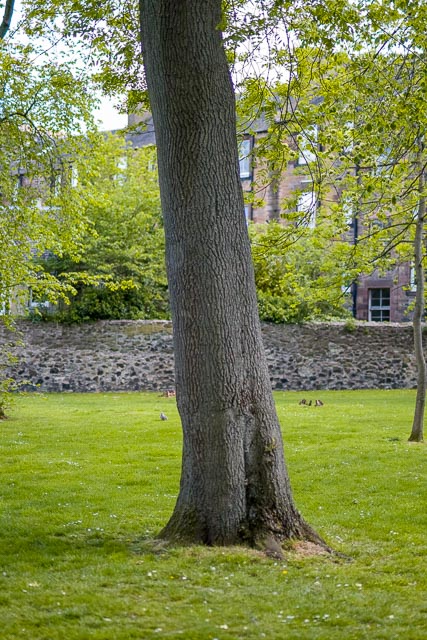
At least when I'm using my DP2 Merrill I really don't worry about focussing accuracy, but this is one area where things got much worse with the SDQH. Indeed, this is perhaps the most egregious problem with the SDQH. In fact when I got back home from my first walk with my lovely new camera I very nearly just sent it right back to MPB! But I decided to persevere… Of course at first I didn't know whether to blame the lens I got with my SDQH (a Sigma 50mm F/1.4 DG HSM - Art 014) or the camera. But now I have the Sigma MC-11 mount adapter that allows me to use my Sigma SA mount lenses on my Sony A7R III complete with full functionality, including autofocus. This allowed me to test exactly the same lens on both the SDQH and Sony A7R III. So below is the result of a test I did of focussing accuracy (at all times focussing on the central tree) on both the SDQH and Sony A7R II all with the same Sigma 50mm F/1.4 DG HSM - Art 014 lens. Note that all the SDQH images were (mistakenly) shot using the 'Portrait' colour mode, hence the somewhat muted colours. Normally I use the 'Landscape' colour mode when out and about with my SDQH for a little more saturation.
SDQH with smallest focus point size - f/1.4
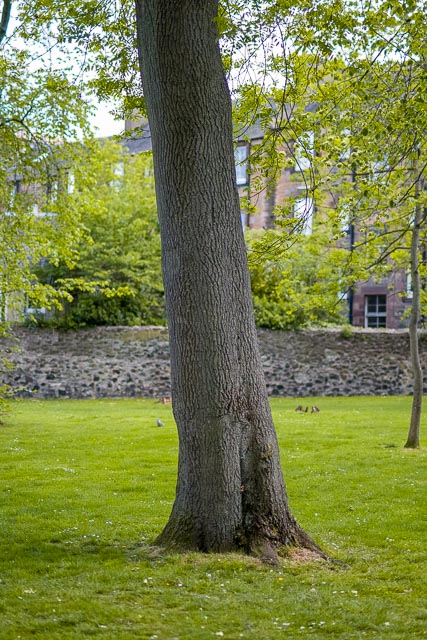
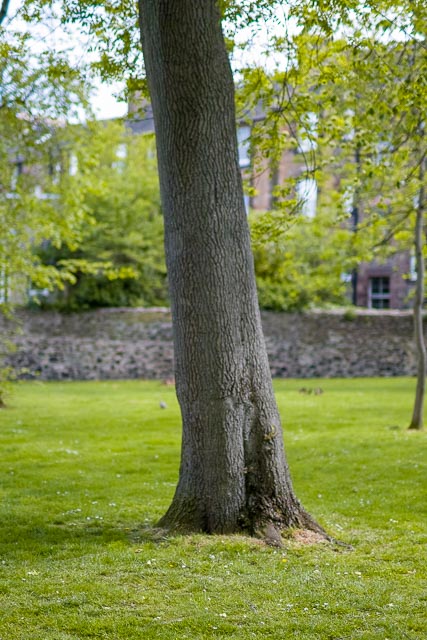
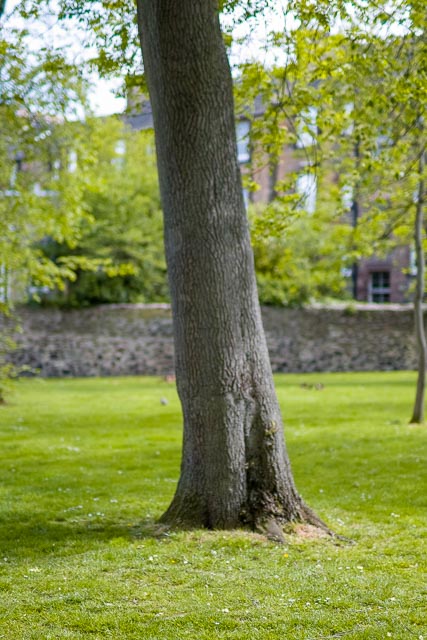
My normal starting point with any camera is to set the focusing point to the smallest possible size so I can focus on small subjects accurately. So at f/1.4 and with the smallest possible focussing point the SDQH only got 1 out of 4 reasonably sharp, and even that image wasn't quite perfectly sharp, but I was feeeling sorry for the Sigma at this point so I gave it the benefit of the doubt!
SDQH with smallest focus point size - f/2.8
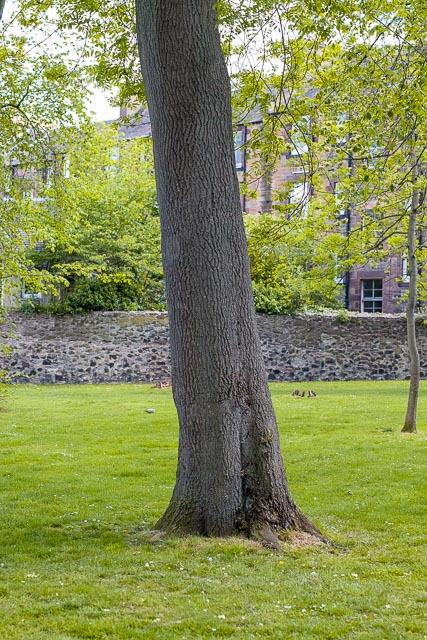
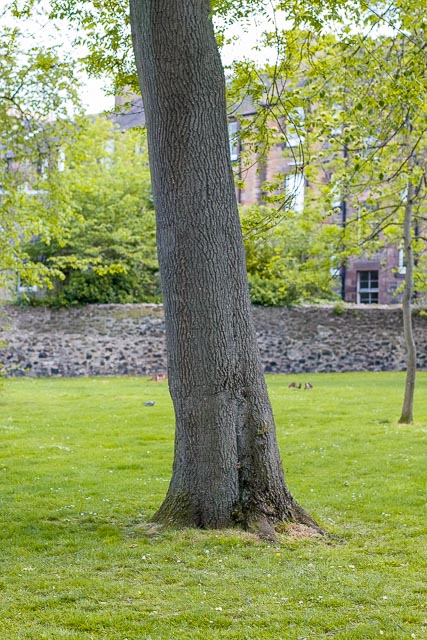
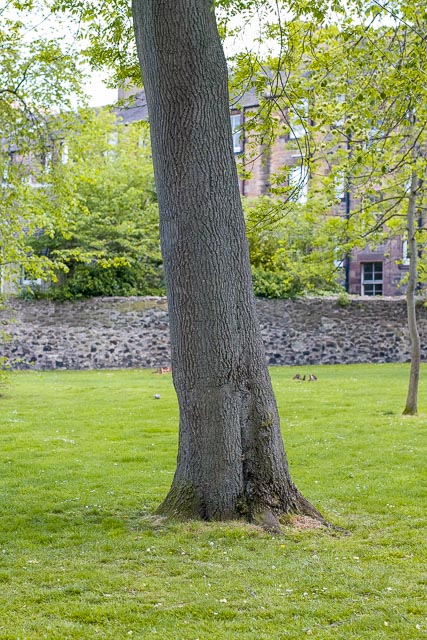
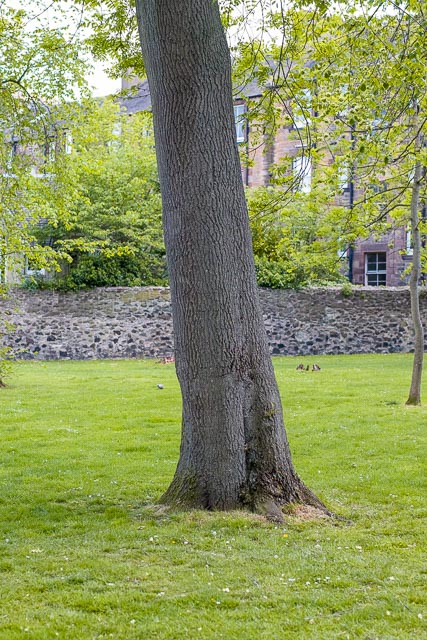
Stopping down to f/2.8 has resulted 4 out of 4 images being sharp.
SDQH with largest focus point size - f/1.4
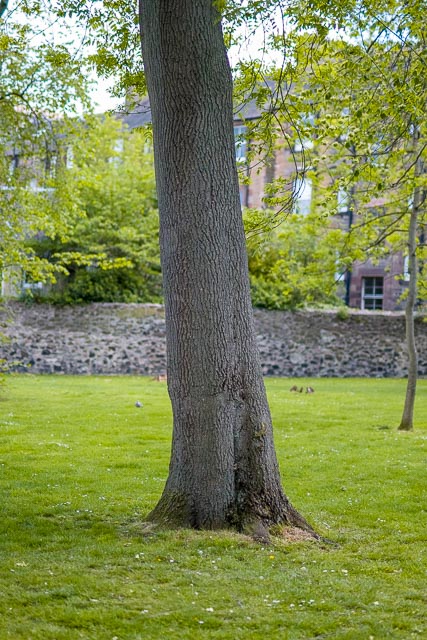
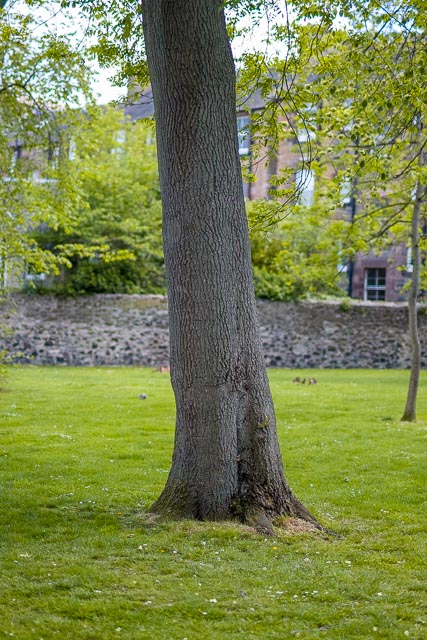
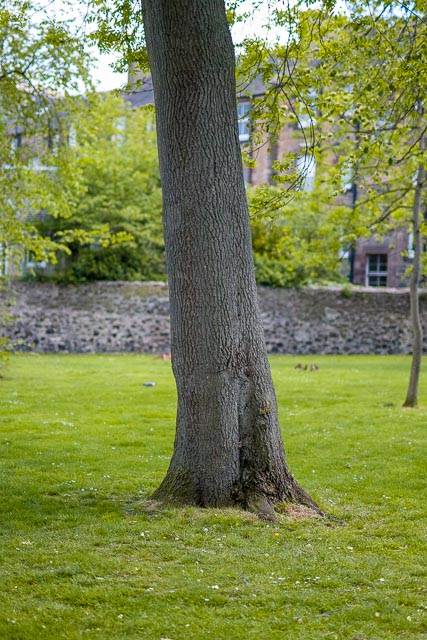
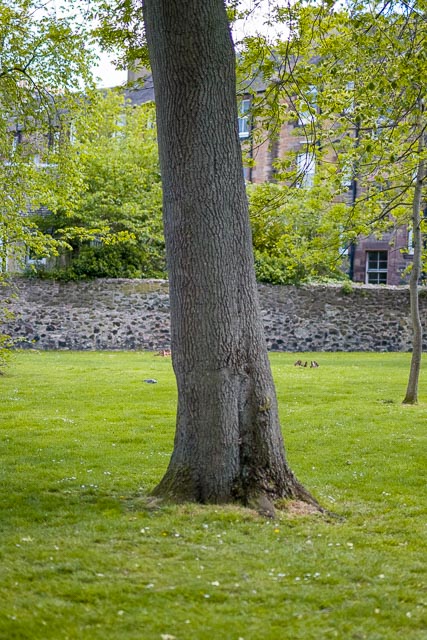
Increasing the size of the focusing point to the largest size had led to 3 out of 4 images to be reasonably sharp. Actually perhaps only 2 out of 4 mages are perfectly sharp, but that is still a big improvement.
SDQH with largest focus point size - f/2.8
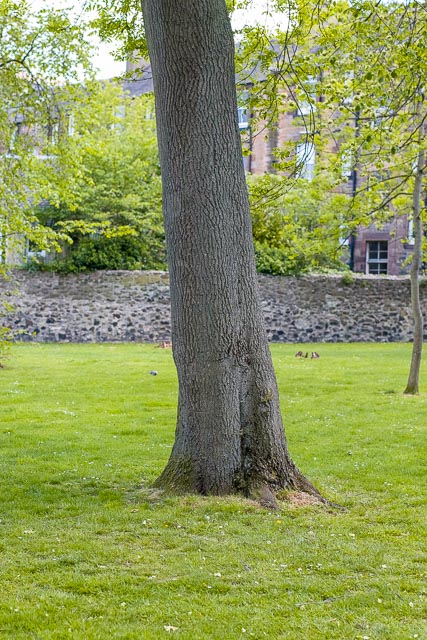
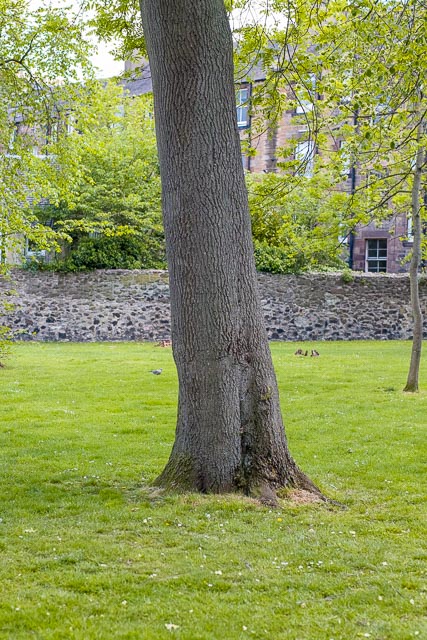
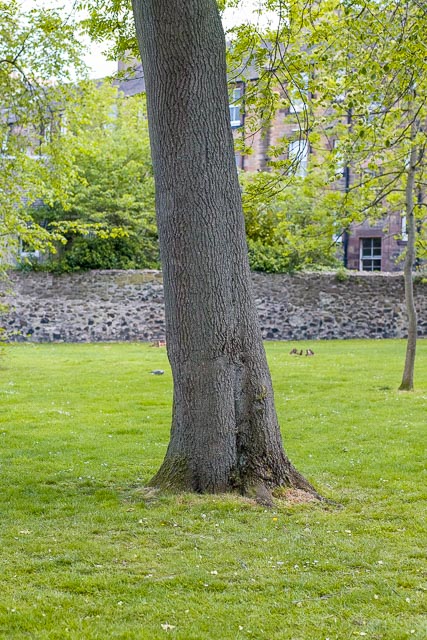
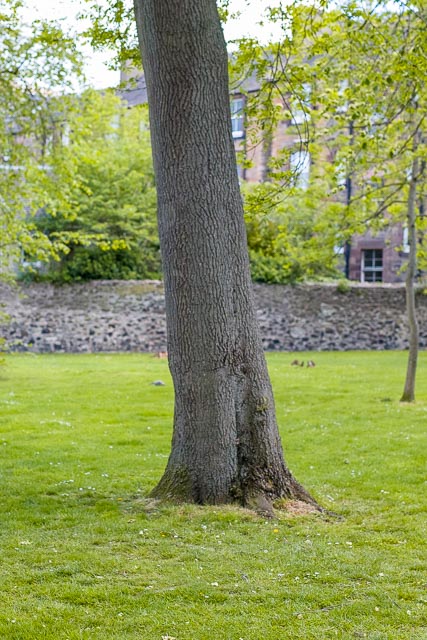
Not too surprisingly, stopping down to f/2.8 and using the largest possible size of focussing point has given mostly sharp images with 3 out of 4 perfectly sharp images and 1 that is a bit less than perfectly sharp.
Sony A7R III with smallest focus point size - f/1.4
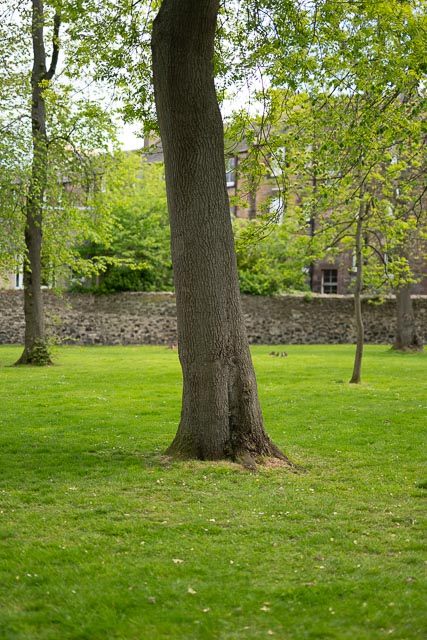
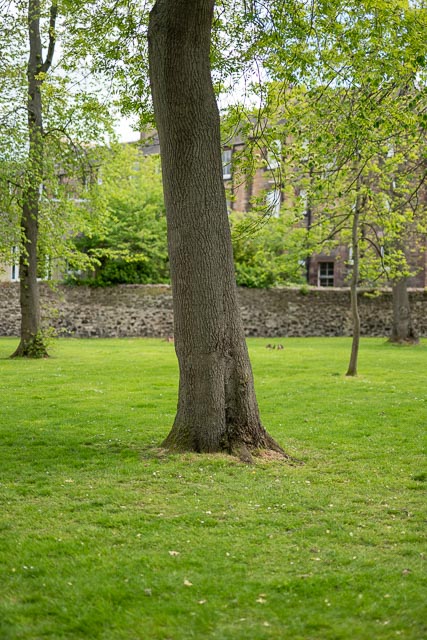
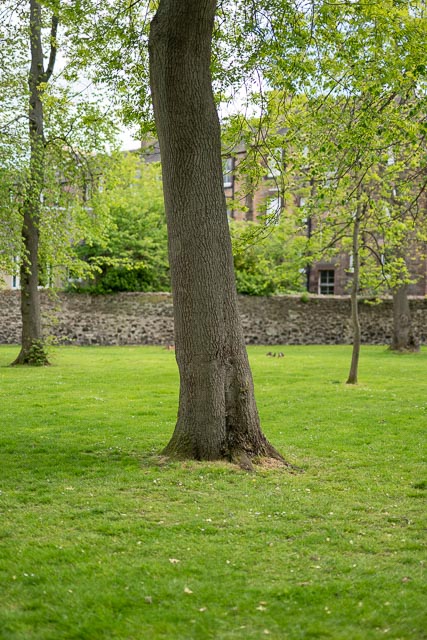
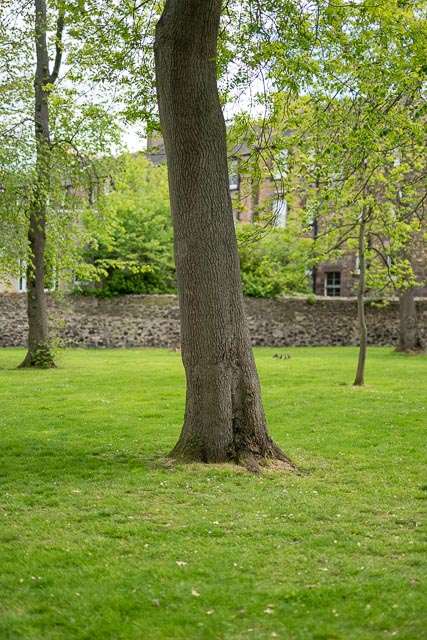
On the Sony A7R III, all images are perfectly sharp even at f/1.4 and using the smallest focussing point. I think this definitely proves that the problem is the SDQH and not the lens! Since the Sony was already focussing perfectly in the worst possible circumstances for the SDQH I didn't both doing test at smaller apertures or with a larger focussing point on the Sony.
I have now adopted the following practices when shooting in with my SDQH using autofocusing which has lead to, if not perfect results, then at least a reasonable percentage of shots being in focus: I always use the largest focussing point size and try to keep the aperture to f/2.8 or smaller. When shooting at apertures larger than f/2.8 I try to shoot a few shots for each image to increase the chances that one of them will be in focus.
Of course focusing can still be an issue: there are times when you want to focus on something that is just too small for the largest focus point size to have any chance at all of locking on, and in these case I just have to take the time to focus manually. Manual focussing works reasonably well on the SDQH, but it's still something I prefer when working with a tripod, for example for macro photography, but at least I now feal reasonably confident when heading out with my SDQH!
Histogram
One of the big advantages of cameras with EVFs is the ability to have a histogram permanently on view to judge exposure, but I found the histogram on the SDQH is very conservative: use exposure compensation with the histogram to ensure you're not over-exposing highlights usually results in far more under-exposure than is really necessary. So I've learned to allow the right hand side of the histogram to show a little blowing of highlights.
Sigma SD Quattro H results
Sigma Quattro generation sensors are able to offer files with pixel resolutions far higher than previous Sigma Foveon sensors. But, particularly when compared to the 'Merrill' generation sensors, I feel that the results from my SDQH, while very impressive, don't have the immediate Wow! factor that results from my DP2 Merrill have. But while the SDQH files are are much subtler then the Merrill files, they can still be very attractive compared to similar full-frame cameras. For example, take a look at the following images, one from my Canon EOS R and 2 from my SDQH (unfortunately I don't have any directly comparable shots from my DP2 Merrill):
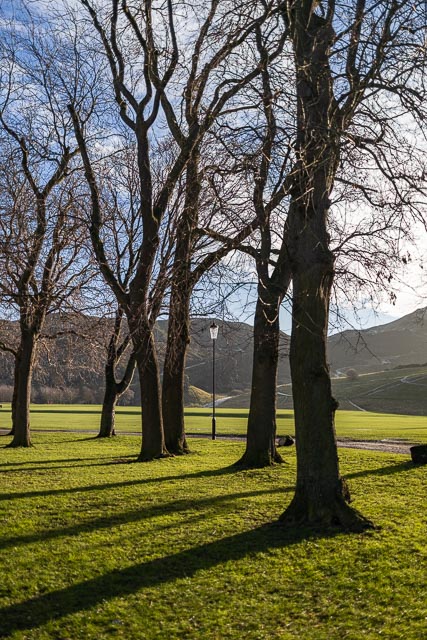
Canon EOS R with Canon RF 35mm F1.8 MACRO IS STM - f/1.8 - 1/5000 - ISO200
These images were all taken from exactly the same position, but with a 50mm lens on the SDQH (full-frame equiv. 65mm) and a 35mm lens on the EOS R. This means the EOS R image has a much wider field of view, but it's the colours and image rendering I'm looking at here, rather than composition.
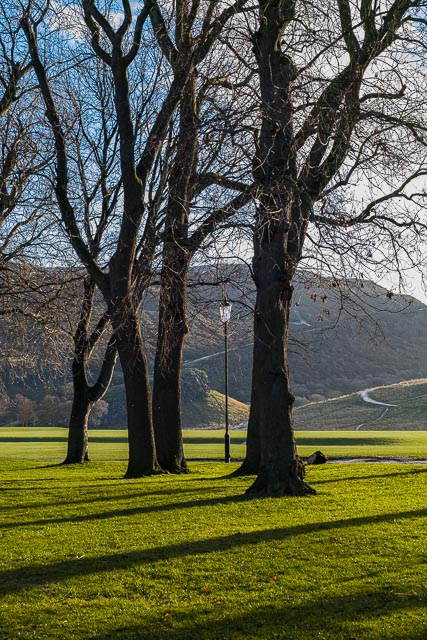
SDQH with Sigma 50mm F/1.4 DG HSM Art 014 - f/8 - 1/80 - ISO100
As sual I had my SDQH set to the 'Landscape' colour mode, and while the differences between the SDQH and the EOS R are very subtle I much prefer the result from the SDQH.
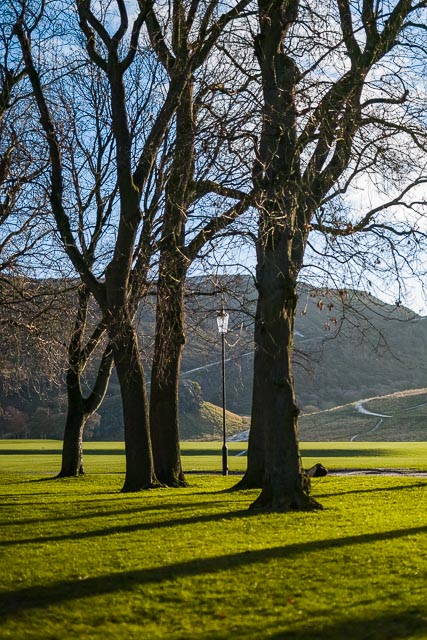
SDQH with Sigma 50mm F/1.4 DG HSM Art 014 - f/1.4 - 1/4000 - ISO100
This is essentially the same shot as the last one, but I've used an aperture of f/1.4 rather than f/8 for a much shallower depth-of-field (I was lucky to get this one in focus despite the previously discussed focussing problems with the SDQH!). I think that out of these 3 shots this is my favourite.
Next let's look at two of the more annoying Foveon image quality eccentricities:
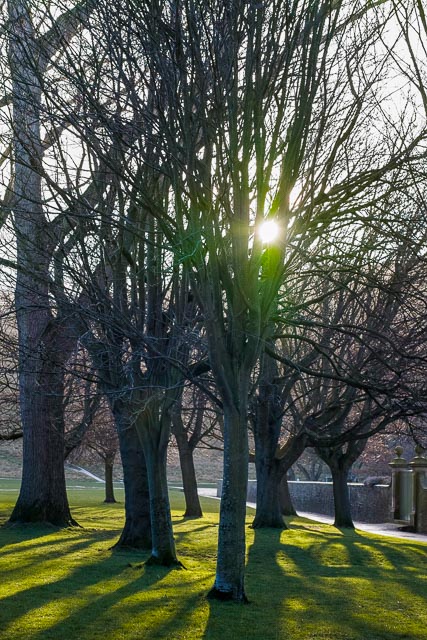
Sigma 50mm F/1.4 DG HSM Art 014 - f/3.2 - 1/320 - ISO200
This is what happens when you put a bright light source, like the sun, in the frame. Note the bright green flare patterns! This is much better than when putting a similar light source in the frame with the DP2 Merrill camera, but it's still bad enough to discourage me from doing something I usually really enjoy doing for atmospheric woodland photogras.
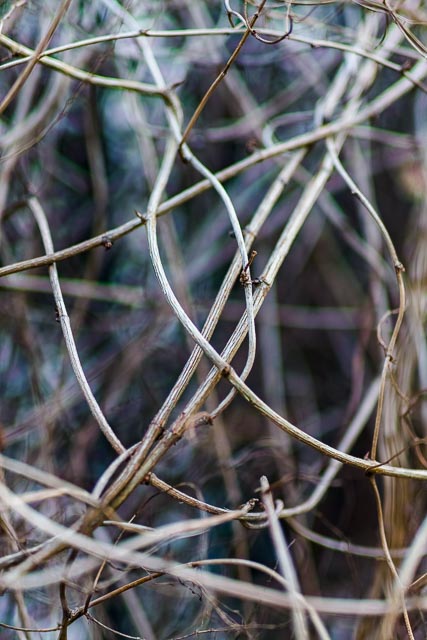
Sigma 50mm F/1.4 DG HSM Art 014 - f/1.4 - 1/100 - ISO100
The SDQH seems to have a very peculiar and specific problem with longitudinal chromatic aberration (LoCA), Again, at first i didn't know whether to blame the 50mm f/1.4 Sigma Art lens I bought with my SDQH, or the SDQH itself. Unfortunately I don't have any direct comparison shots to show you, but I've now had quite a bit of experience with exactly the same lens on my Sony A7R III using the MC-11 adapter I think I can say with some confidence that it isn't the lens that's to blame. Doing this shows a little LoCA on my Sony, but within normal limits.
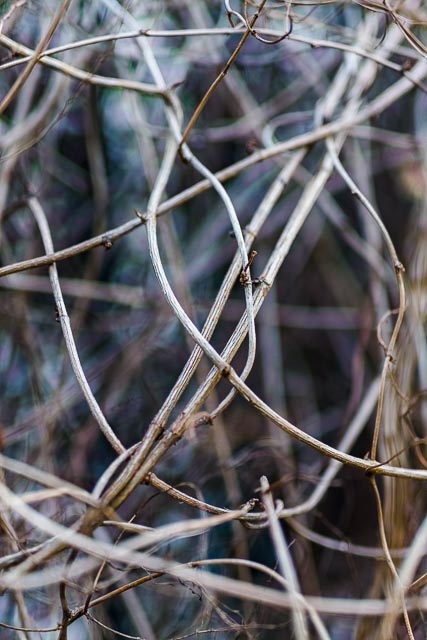
SDQH with Sigma 50mm F/1.4 DG HSM Art 014 - f/1.4 - 1/4000 - ISO100
Unfortunately LoCA is very difficult, if not impossible, to remove in post-production. The tools in Adobe Lightroom designed to deal with normal chromatic aberration have some, but not much, effect. As you can see here I have been able to reduce, but not eliminate, the problem.
So as you can see, the SDQH has a number of quite serious functional and image quality problems. And this is combined by a lack of the sheer Wow! factor I was immediately struck by with the files from my DP2 Merrill. So given this, why on earth would I continue to bother with this camera?! Good question! The fact is that while the files from the SDQH are rather subtler than the files from my DP2 Merrill, there is something about them that keeps drawing my back. In fact maybe the subtlety is precisely what makes me keep coming back to the SDQH. It's a common story with all Sigma Foveon cameras: there is always just something about the images that is difficult to put my finger on, but that makes keep coming back to find ways to deal with the problems. So with that said let's look at a few more images:
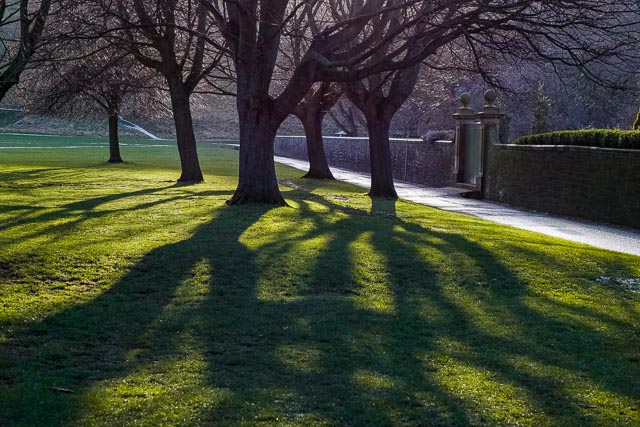
Sigma 50mm F/1.4 DG HSM Art 014 - f/4.0 - 1/500 - ISO100
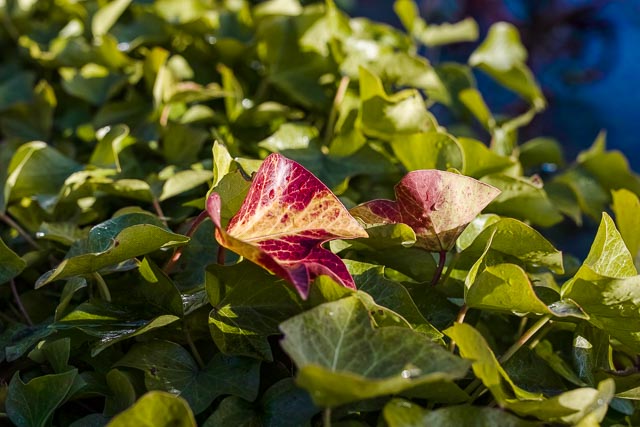
Sigma 50mm F/1.4 DG HSM Art 014 - f4.5 - 1/640 - ISO100

Sigma 50mm F/1.4 DG HSM Art 014 - f/1.4 - 1/2500 - ISO100
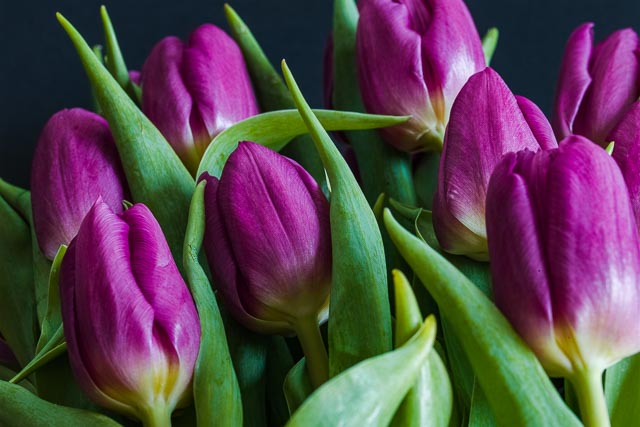
Sigma 70mm F/2.8 DG Macro Art 018 - f/11 - 5 sec - ISO100
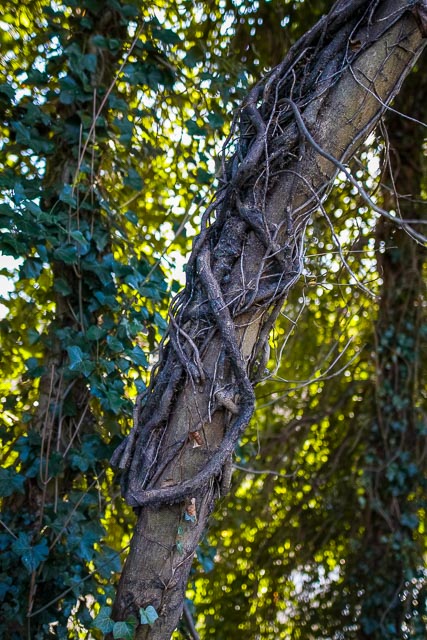
Sigma 24mm F/1.4 DG HSM Art 015 - f/1.4 - 1/250 - ISO100
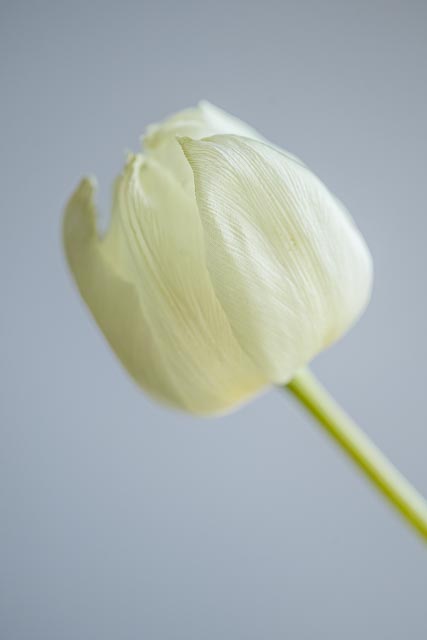
Sigma 70mm F/2.8 DG Macro Art 018 - f/2.8 - 1/100 - ISO100
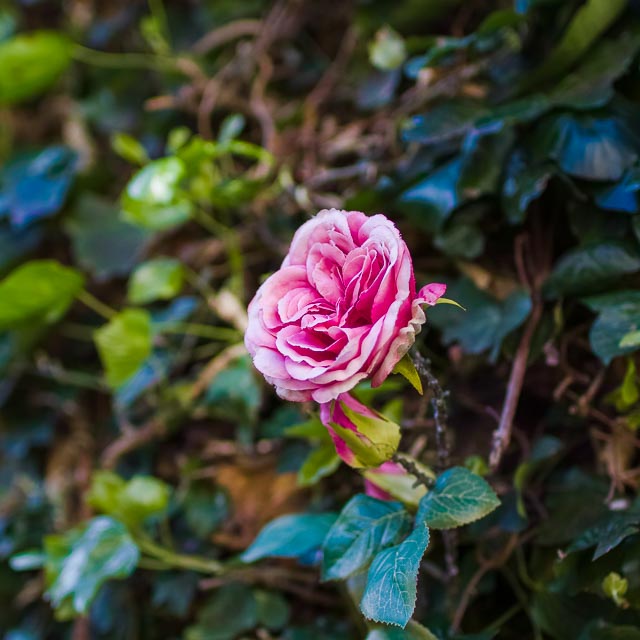
Sigma 30mm F/1.4 DC HSM Art 013 - f/2.0 - 1/1000 - ISO100
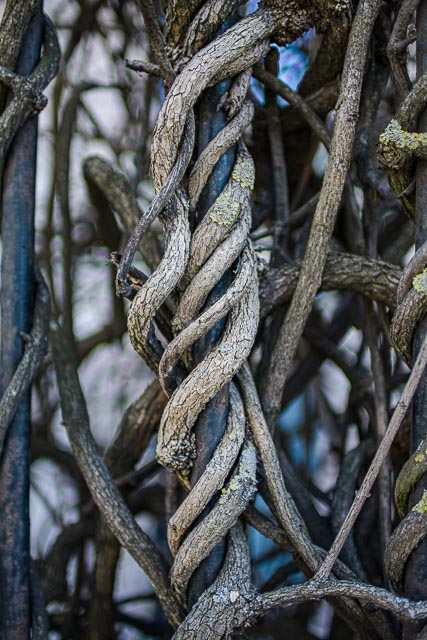
Sigma 30mm F/1.4 DC HSM Art 013 - f/1.4 - 1/500 - ISO100
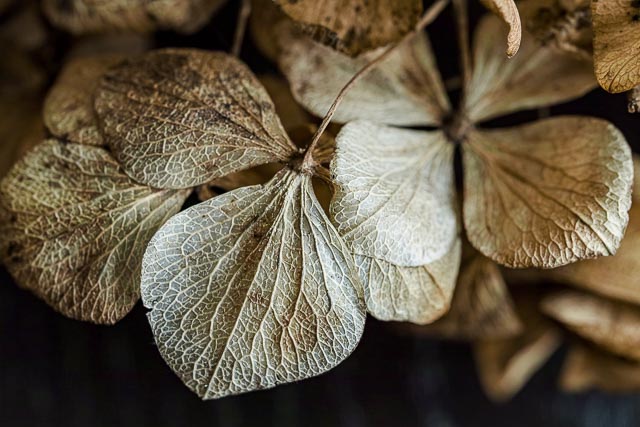
Sigma 70mm F/2.8 DG Macro Art 018 - f/5.6 - 0.8 sec - ISO100
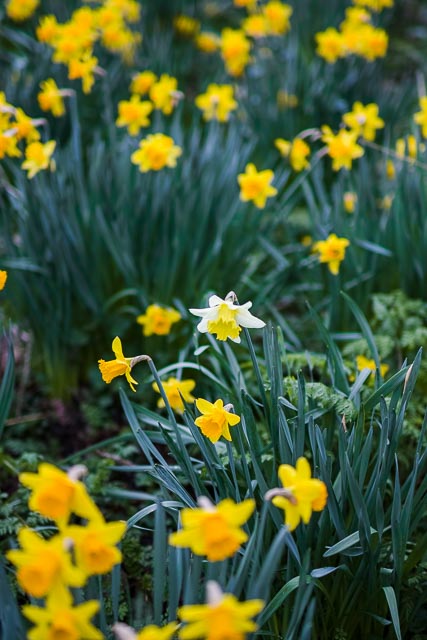
Sigma 50mm F/1.4 DG HSM Art 014 - f/1.4 - 1/250 - ISO100
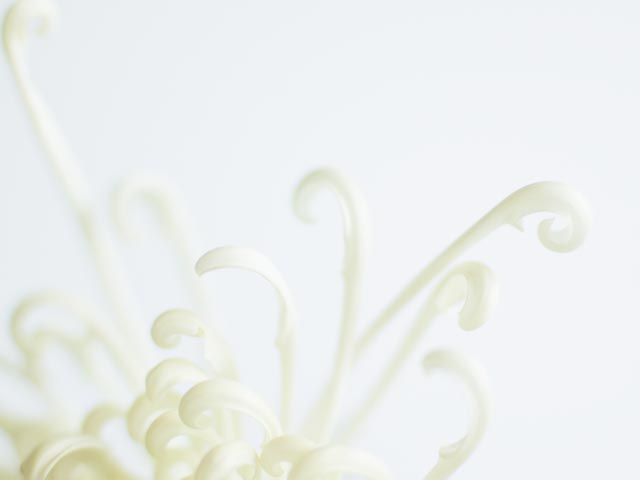
Isco-Optic Ultra-Star HD f=90mm-3.54 in. MC (adapted projector lens) - f/2.0 - 1/25 - ISO100
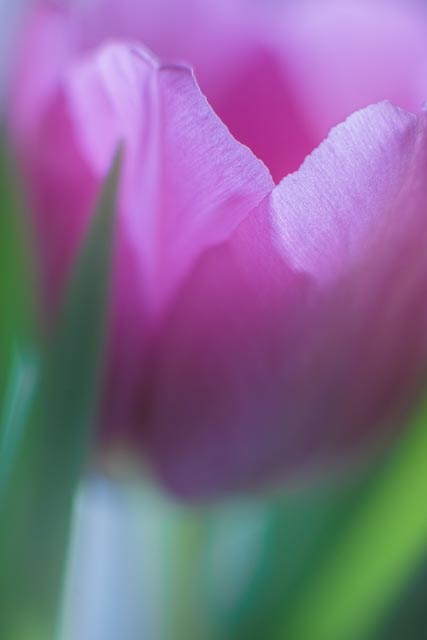
Isco-Optic Ultra-Star HD f=90mm-3.54 in. MC (adapted projector lens) - f/2.0 - 1/15 - ISO100
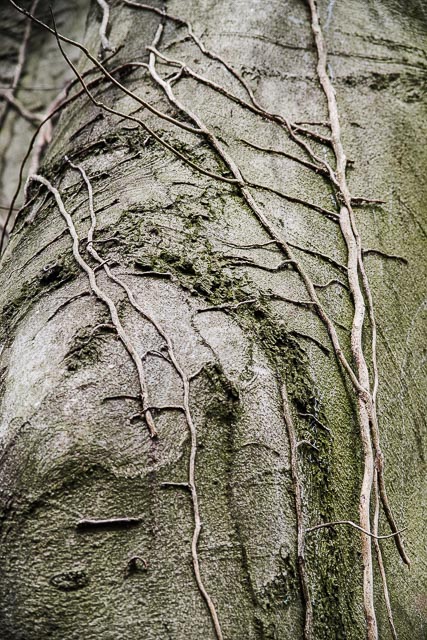
Sigma 17-70 mm f/2.8-4 DC Macro OS HSM - 70mm - f/5.0 - 1/160 - ISO100
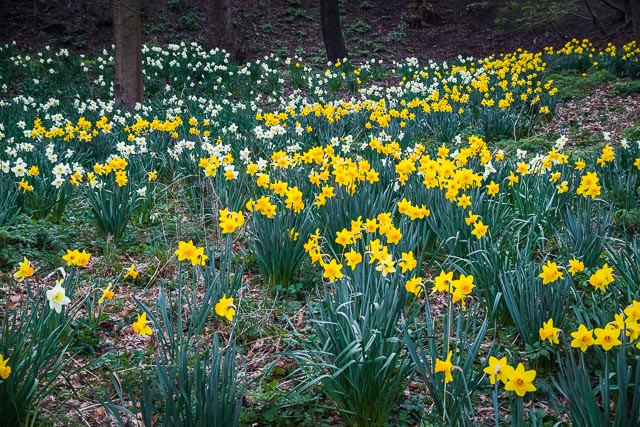
Sigma 17-70 mm f/2.8-4 DC Macro OS HSM - 46mm - f/5.6 - 1/160 - ISO100
On the morning I published this article I realised I'd never tried the 'Mono' colour mode on my SDQH! So I headed out with with my SDQH fitted with the Sigma 30mm f/1.4 Art lens to see what kind of black and white results the 'Mono' mode would produce. This aren't quite straight out of camera images though: they're very lightly adjusted to taste in Lightroom with a very slight worm tone added (in the 'Global' tab of the Color Grading panel I set Hhue to 50, saturation to 5 and luminance to +20).
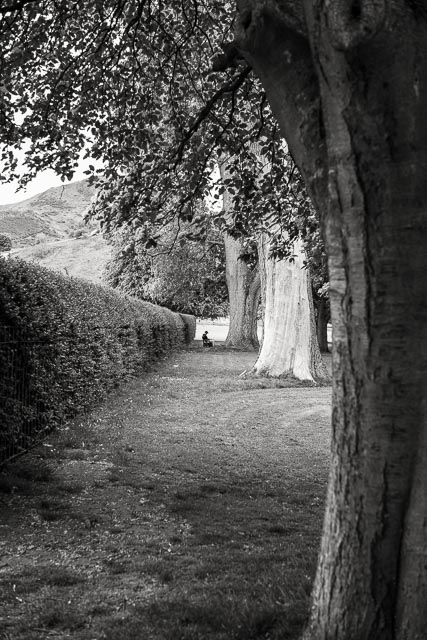
Sigma 30mm F/1.4 DC HSM Art 013 - f/2.5 - 1/125 - ISO100
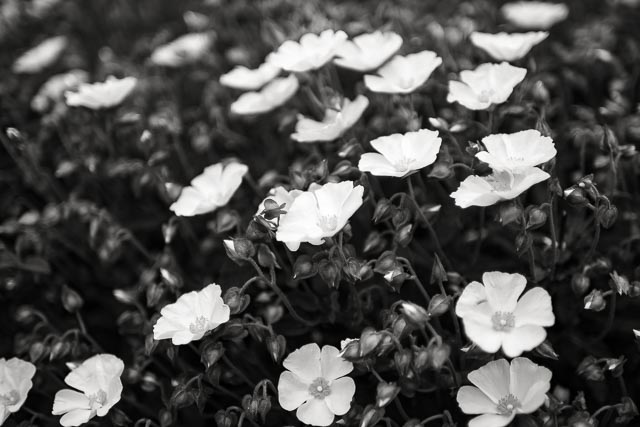
Sigma 30mm F/1.4 DC HSM Art 013 - f1.4 - 1/2000 - ISO100
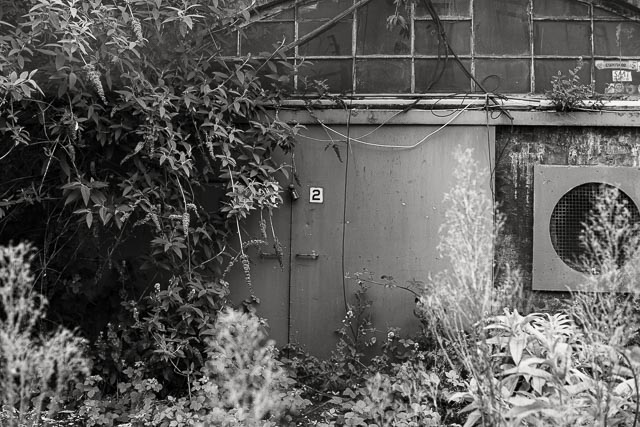
Sigma 30mm F/1.4 DC HSM Art 013 - f/2.5 - 1/100 - ISO100
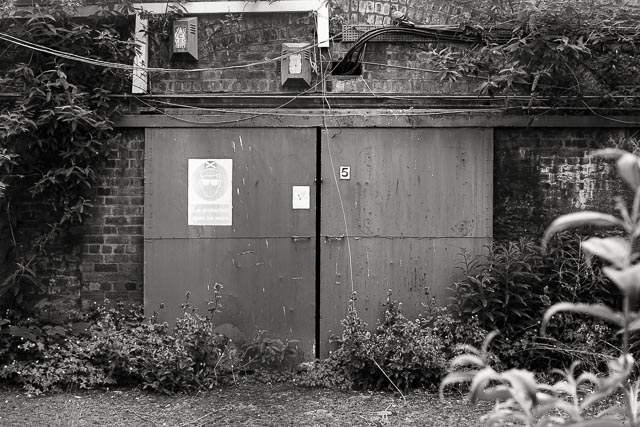
Sigma 30mm F/1.4 DC HSM Art 013 - f/2.5 - 1/125 - ISO100
I plan to post individual articles about all my Sigma SA mount lenses in the coming months (check the Adventures in Sigmaland page to see them as I publish them).
Conclusion
Can I recommend that you buy a Sigma SD Quattro H? In all honesty, the answer is no, particularly if you want an easy life! There are, after-all, some serious functional problems (the worst being focusing accuracy) and one or two troubling image quality problem (I think the most problematic for me is the weirdly camera specific LoCA issue). What's more the price of entry is high.
And yet… and yet and yet and yet… there is something here that just keeps me coming back. So if you enjoy a challenge, and you don't mind the price, and you're just a bit daft for rare and much over-looked photographic back alleys, then throw caution to the wind and dive in to the dark and dangerous yet also treasure laden Foveon waters…
Links
- SDQH User's Manual (PDF)
- SDQH Brochure (PDF)
- SDQH contemporary review on DPReview
- SDQH contemporary review on Photography Blog
- SDQH contemporary review on ePHOTOzine
- I was surprised to very few retro articles about this camera on the web, but there are plenty of review videos about the SDQH on Youtube.