Sigma cameras
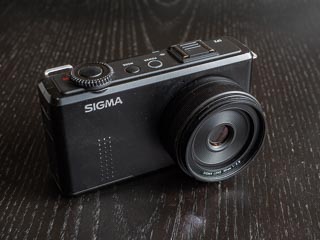
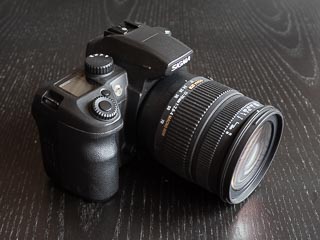
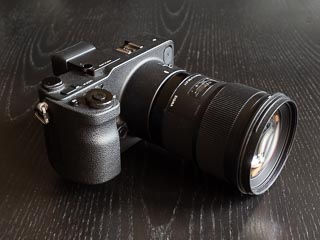
Sigma is one of the best known independant lens companies, famous for making a wide array of lenses for all the main lens mounts: Canon, Nikon, Pentax, Sony etc, etc. But Sigma have also been making cameras for 50 years starting with the Sigma Mark-I in 1976. The introduced their own autofocus lens mount, the Sigma SA mount, in 1993 with the SA-300 35mm SLR, and in 2002 they announced their first DSLR, also using the Sigma SA mount, the SD9.
What makes all Sigma cameras launched before 2019 particularly interesting is the unique sensor technology they use. Sigma chose a sensor made by a little known company called Foveon. So what is a Foveon sensor?, I hear you cry? Visit that link for more information, but here's the (very!) short version: In a conventional Bayer sensor, each pixel is sensitive to a single primary light colour because of a mosaic filter fitted in front of the sensor (with the missing colour values for each pixel supplied by interpolation), but a Foveon sensor is sensitive to all 3 primary colours of light at every pixel. This allows Sigma Foveon cameras to have, in theory at least, a much richer and more natural response to colour.
But Sigma Foveon cameras have a justified reputation for being packed full of weird eccentricities that are enough to have even the most loyal Foveon enthusiast pulling their hair out (I speak from experience!) But it says something very profound about Foveon cameras that no matter the problems they do indeed have a very loyal band of enthusiasts behind them that are perfectly willing to find work around to all the problems.
In 2019 Sigma finally discontinued all Foveon sensor cameras when they launched the Sigma FP but they still maintained their delightfully unique approach to camera design. Rumour has it that Sigma is still determined to launch a new Foveon camera at some point, but in the meantime many people are equally determined work with their classic Foveon cameras.